
 |
| Henry VIII and Anne Boleyn (still alive) |
1. Graven with Diamonds: The Many Lives of Thomas Wyatt by Nicola Shulman
A beautifully written, silver-veined biography of poet Sir Thomas Wyatt, this book shows life at the court of Henry VIII with a sharp eye for detail and a nose for wit. Wyatt's poems come alive in Shulman's hands, her analysis is both involving and throws revealing light onto her mysterious subject and his codes. Breathe in the wrong place at the Henrician court, and on your head it really would be. Plus it's worth it for the idea that some poems were read out with the use of a squeaky bladder.
2. A Life of Privilege, Mostly by Gardner
Botsford
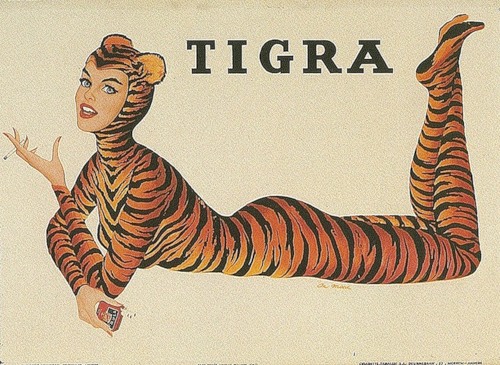 |
| A dominatrix. Possibly. |
This is an older book - it came out in 2006, just about the beginning of my literary career; it may be a little recherché for some, as it concerns the life of a New Yorker editor, but it is a book brimming with liveliness, poignancy, and insights into the world of letters - there is a priceless scene where the young Botsford returns home with a middle-aged couple, only for a tiger-skin clad dominatrix to burst out into the room with a whip. He fled in terror.
3. Consider the Lobster by David Foster
Wallace
I finally got round to reading this collection of essays by the lamented David Foster Wallace (his unfinished novel, The Pale King, is something I've yet to tackle: sometimes I look at the pile of Books to Read in my flat and have a minor panic attack). Like many, I was hypnotised by Infinite Jest as a student (somewhat, even, to the detriment of my degree). It's impossible to read this book all the way through as it's a bit like being locked in a room with someone very pedantic telling you exactly what goes into making bricks - no wait, come back, I've just got to the interesting bit, DID YOU KNOW THAT.... but take each one as it comes and you'll find his ingenuity and style everywhere - whether he's at a porn festival or a lobster market. The best essay, to my mind, is the one about the English language, which should be read by anyone interested in how to make sentences.
4. Under a Canvas Sky by Clare Peake
 |
| Mervyn Peake: Legend |
This is a lovely, warm memoir about growing up as the daughter of writer Mervyn Peake and artist Maeve Gilmore. I had the pleasure of interviewing the Peake children this year (you can read it here), as it was also the year that Titus Awakes, a continuation of the Titus series by Gilmore, came out. Whilst Titus Awakes is interesting as a document about Maeve's own life, Clare's memoir shows a life enhanced by fantasy and overshadowed by the sad illness of Mervyn, which led to his death far too young. The Titus books stand as some of the most interesting post-war fictions to have emerged - they are sui generis - and this glimpse into the world of the writer, from 'under a canvas sky', as it were, is poignant and pleasing.
5. Vast Alchemies by G Peter Winnington
Read as research into the interview, this is a brilliant biography of Mervyn Peake, published by the redoubtable Peter Owen, fluidly written and with a fascinating slant on the creator of Titus.
6. A Venetian Bestiary by Jan Morris
This is a lilting, kindly monograph on the role of beasts in Venetian art, with some passages of lyricism (as when she describes the Golden Stallions.) Morris is now on Tumblr, and posts deliciously observed vignettes often.
Pip pip, then, till tomorrow, for fiction of the year...

